
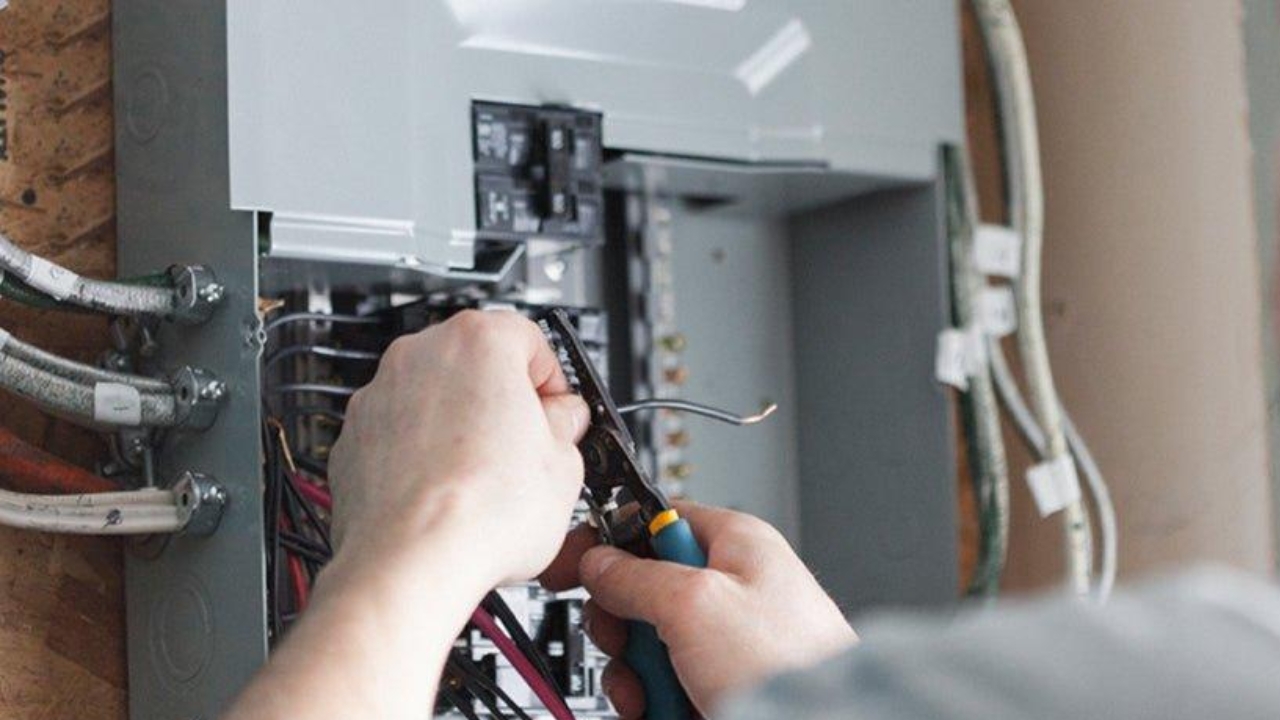
If your lights flicker when the microwave and hair dryer run at the same time, or your breaker box still has a mix of fuses and old switches, you’re not imagining a problem — your electrical panel is telling you something. Residential panel upgrades are one of the most important (and most misunderstood) investments a homeowner can make, and this guide breaks down everything you need to know before you call an electrician.
What Is Panel Upgrade?
A residential panel upgrade means replacing your home’s main electrical panel — the metal box, usually in a garage, basement, or utility closet, that distributes electricity from the utility line to every circuit in your house — with a newer, higher-capacity unit. Older homes were often built with panels rated for 60 or 100 amps, which was sufficient decades ago when homes ran a handful of lights and a refrigerator. Today’s homes run HVAC systems, electric ranges, home offices with multiple devices, EV chargers, and smart home equipment, all pulling from the same panel.
When that demand outpaces the panel’s rated capacity, homeowners see warning signs: frequent breaker trips, warm or discolored outlets, a burning smell near the panel, or an insurance company flagging outdated equipment like Federal Pacific or Zinsco panels. A panel upgrade resolves these issues by installing a panel with more amperage, more breaker slots, and modern safety features.
Signs You Need a Panel Upgrade
Not every home needs an upgrade immediately, but certain signs make it a near-term necessity rather than a someday project:
- Frequent tripped breakers, especially when running multiple appliances at once
- A panel still using fuses instead of circuit breakers
- Flickering or dimming lights when large appliances turn on
- Buzzing sounds or a burning odor near the panel — this is a safety hazard, not a cosmetic issue
- Visible rust, scorch marks, or melted components inside or around the panel
- Adding major appliances, a home addition, a hot tub, or an EV charger without available circuit space
- Insurance requirements — many insurers won’t cover homes with panels older than 25–40 years or certain flagged brands
- Home age — if your house was built before 1990 and hasn’t had electrical work since, it’s worth an inspection
If two or more of these apply to your home, it’s time to have a licensed electrician evaluate your panel rather than waiting for a failure.
Panel Amperage Comparison: Which Size Do You Need?
Panel capacity is measured in amps, and the right size depends on your home’s square footage, appliance load, and future plans (like an EV charger or workshop). Here’s how the common residential panel sizes compare:
| Panel Size | Best For | Typical Homes | Can Support EV Charger? | Typical Lifespan |
|---|---|---|---|---|
| 60 Amp | Legacy panels, small older homes | Under 1,200 sq ft, minimal appliances | No — insufficient capacity | Already past useful life in most cases |
| 100 Amp | Small to mid-size homes with modest electrical needs | 1,200–1,800 sq ft | Limited — may require load management | 25–40 years |
| 150 Amp | Mid-size homes with central AC and standard appliances | 1,800–2,500 sq ft | Yes, with available slots | 30–40 years |
| 200 Amp | Most modern homes; the current standard | 2,000–3,500 sq ft | Yes, comfortably | 30–40 years |
| 400 Amp | Large homes, homes with workshops, multiple EV chargers, or all-electric appliances | 3,500+ sq ft or high-demand setups | Yes, multiple chargers | 30–40 years |
For most homeowners upgrading today, a 200-amp panel is the sweet spot — it covers current appliance loads and leaves room for future additions like EV charging or a home addition without needing another upgrade in a few years.
Panel Upgrade vs. Service Upgrade: What’s the Difference?
These terms get used interchangeably, but they’re not quite the same thing:
- A panel upgrade replaces the panel itself — the box with the breakers.
- A service upgrade increases the capacity of the electrical service coming into your home from the utility line, which often requires coordination with the utility company and may include upgrading the meter base and service entrance wiring.
In many cases, a full panel upgrade includes a service upgrade, especially if you’re moving from 100 amps to 200 amps. A qualified electrician will assess both your panel and your incoming service capacity before recommending a scope of work.
The Panel Upgrade Process, Step by Step
- Electrical assessment — An electrician inspects your current panel, wiring, and load requirements, and checks for code violations or safety hazards.
- Permit application — Panel upgrades require a permit in virtually every municipality, since they involve high-voltage work regulated under the National Electrical Code (NEC).
- Utility coordination — If the service capacity is increasing, the utility company may need to temporarily disconnect power and upgrade the meter connection.
- Panel installation — The old panel is removed, and the new panel — sized to your home’s needs — is installed with new breakers, labeled circuits, and grounding/bonding brought up to current code.
- Inspection — A local inspector verifies the work meets code before it’s signed off.
- Final walkthrough — Your electrician labels the panel clearly and walks you through what’s changed.
A straightforward residential panel upgrade typically takes one full day, though service upgrades involving utility coordination can take longer depending on scheduling.
What Does a Panel Upgrade Cost?
Costs vary significantly by region, panel size, and whether a service upgrade is also required. In general, homeowners should expect a wide range depending on amperage, permit fees, and any additional rewiring needed to bring older circuits up to code. Rather than relying on a national average, the most accurate number comes from a home-specific quote, since factors like panel location, wiring condition, and utility requirements all affect the final price.
Benefits of Upgrading Your Panel
- Safety — Reduces fire risk from overloaded or outdated wiring
- Capacity for modern life — Supports EV chargers, smart home devices, and larger appliances without tripped breakers
- Home value — An updated panel is a selling point and can prevent inspection issues during a home sale
- Insurance compliance — Many insurers require updated panels, especially replacing flagged brands
- Energy efficiency — Modern panels and breakers reduce electrical waste and improve overall system performance
Panel Upgrades and EV Charger Installation
One of the most common reasons homeowners upgrade their panel today is to prepare for an EV charger. Level 2 home chargers typically require a dedicated 40–50 amp circuit, which older 100-amp panels often can’t accommodate alongside existing appliance loads. If you’re planning to add an EV charger now or in the next few years, it’s worth sizing your panel upgrade to support it from the start rather than paying for two separate projects.
DIY vs. Professional Panel Upgrades
Panel upgrades are not a do-it-yourself project. This work involves the main power feed to your home, requires permits and inspections, and carries serious risk of electrocution or fire if done incorrectly. Licensed electricians carry the training, insurance, and code knowledge to complete the work safely and legally — and most municipalities won’t approve unpermitted panel work during a home sale or insurance claim.
Choosing the Right Electrician for Your Panel Upgrade
When evaluating electricians for a panel upgrade, look for:
- A valid state electrical license and liability insurance
- Experience specifically with residential panel upgrades and service upgrades
- Familiarity with local permitting and inspection processes
- Transparent, written estimates before work begins
- Warranty coverage on labor and materials
For homeowners in Mebane, NC, Hurley Electric LLC’s dedicated Panel Upgrades service page outlines their process, panel sizing options, and what to expect from consultation through final inspection. It’s a useful next step if you’ve identified any of the warning signs covered in this guide.
Frequently Asked Questions
How do I know what amperage my current panel is? Check the main breaker at the top of your panel — it’s usually labeled with the amperage (60, 100, 150, 200, or 400 amps).
Will my power be shut off during the upgrade? Yes, power is typically off for several hours during installation, and coordination with the utility may be required if service capacity is increasing.
Do I need a permit for a panel upgrade? Yes. Panel upgrades involve high-voltage work and are regulated under the NEC, requiring a permit and inspection in nearly all jurisdictions.
How long does a panel last before it needs replacing? Most panels last 25–40 years, though outdated brands like Federal Pacific or Zinsco should be replaced regardless of age due to known safety issues.
Can I upgrade my panel without upgrading my service? In some cases, yes — if your existing service capacity already supports a larger panel. An electrician can confirm this during the initial assessment.
Final Thoughts
A residential panel upgrade isn’t just a maintenance task — it’s a safety investment that keeps pace with how modern homes actually use electricity. If you’re seeing warning signs, planning an EV charger, or simply have an aging panel, getting a professional assessment is the right first step. Hurley Electric LLC offers a full range of electrical services in Mebane, NC, from panel upgrades to wiring and lighting installation, backed by licensed electricians and honest, upfront pricing.
Ready to get started? Contact Hurley Electric LLC today for a free consultation.