
Most homeowners never think about their electrical panel until something forces the issue — a breaker that won’t stop tripping, a burning smell near the panel box, or an electrician who takes one look and says it needs to go. But panel problems rarely show up out of nowhere. They build slowly as homes add appliances, electronics, and power demands that older systems were never designed to handle.
This guide walks through how to tell if a panel upgrade is overdue, what the process actually involves, and what to expect from cost to timeline.
What an Electrical Panel Actually Does
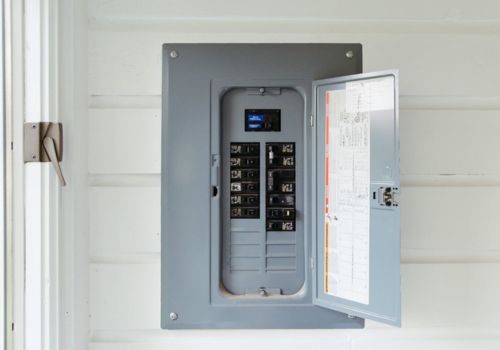
The electrical panel — sometimes called a breaker box or fuse box — is the point where power from the utility enters the home and gets distributed to every circuit, from kitchen outlets to the HVAC system. Each circuit runs through a breaker sized to handle a specific load, and the panel’s total capacity determines how much power the home can draw at once without overloading the system.
Older homes were often built with panels sized for a fraction of the electrical load modern households actually use. Between central air, EV chargers, home offices packed with electronics, and larger kitchen appliances, it’s common for a decades-old panel to simply run out of room.
Signs a Panel Upgrade Is Overdue
Frequent breaker trips. Breakers are designed to trip occasionally under genuine overload, but if they’re tripping regularly during normal daily use, the panel likely can’t keep up with current demand.
Flickering or dimming lights. Lights that dim when a major appliance kicks on are often a sign the panel is straining to distribute power evenly across circuits.
A fuse box instead of breakers. Homes still running on an old-style fuse box are almost always overdue for an upgrade, since fuse systems predate modern safety standards and can’t support today’s power demands.
Panel age. Panels installed more than 25–30 years ago often use outdated components and may not meet current electrical code, even if they’re technically still functioning.
Visible damage or corrosion. Rust, scorch marks, or a burning smell near the panel are signs of a serious problem that needs immediate attention, not routine wear.
Planning major additions. Adding an EV charger, a home addition, a hot tub, or major kitchen appliances often pushes an existing panel past its safe capacity, making an upgrade a practical requirement rather than an option.
What Happens During a Panel Upgrade
Initial assessment. A licensed electrician evaluates the current panel’s age, condition, and capacity, along with the home’s actual and anticipated power needs.
Permitting. Panel upgrades typically require an electrical permit and inspection, since the work involves the home’s main service connection.
Power shutdown. The utility company or electrician disconnects power to the home for the duration of the swap, which is usually planned to keep downtime as short as possible.
Panel replacement. The old panel is removed and replaced with a new one sized appropriately for the home’s current and future load, along with updated breakers and wiring connections as needed. This is where the actual panel upgrade work happens, and having it done by a licensed electrician ensures every connection meets code.
Testing and inspection. Once installed, the new panel is tested under load, and a final inspection confirms the work meets code before the job is considered complete.
100 Amp vs. 200 Amp vs. 400 Amp: Which Panel Size Is Right?
| Panel Size | Typical Household Fit | Notes |
|---|---|---|
| 100 amp | Small homes, minimal electronics | Increasingly limited for modern use; often the panel being replaced |
| 200 amp | Most standard single-family homes | Current baseline for new construction and most upgrades |
| 400 amp | Large homes, EV charging, high electronic load | Needed for homes running multiple high-draw systems at once |
A 200 amp panel has become the practical standard for most residential upgrades, offering enough headroom for central air, modern kitchen appliances, and typical electronics without constant strain. Homes planning to add EV charging, a workshop, or significant future electrical load often step up to 400 amp service to avoid needing another upgrade down the line.
Residential vs. Commercial Panel Upgrades
Residential panel upgrades typically focus on bringing an aging home up to modern capacity and code compliance, sized around standard household loads like HVAC, kitchen appliances, and general electronics. Commercial panel upgrades involve a different scale entirely — factoring in equipment loads, code requirements specific to commercial occupancy, and often multiple sub-panels distributing power across a larger space. Both require licensed, code-compliant work, but the planning and equipment involved differ significantly based on the property type.
How Much Does a Panel Upgrade Cost?
Panel upgrade cost depends on the panel size being installed, the condition and accessibility of existing wiring, whether the service line itself needs upgrading, and any permitting or inspection fees required locally. Homes needing only a straightforward panel swap typically see lower costs than those requiring a full service upgrade or significant rewiring alongside the panel itself. Because these factors vary so much property to property, an in-person assessment is the only reliable way to get an accurate cost estimate.
How Long Does a Panel Upgrade Take?
Most residential panel upgrades are completed in a single day, though the exact timeline depends on the scope of work, whether additional wiring updates are needed, and how quickly the utility company can coordinate the power disconnection and reconnection. Larger commercial projects or upgrades involving significant additional electrical work may take longer.
Maintaining Your Electrical Panel After an Upgrade
- Avoid overloading circuits, even with a newly upgraded panel
- Have the panel inspected periodically as part of routine home electrical maintenance
- Keep the area around the panel clear and accessible for safety and future service
- Address any tripped breakers promptly rather than simply resetting them repeatedly
- Schedule a professional inspection any time new major appliances or systems are added
Frequently Asked Questions
How do I know if my panel is a fire hazard? Warning signs include a burning smell, visible scorch marks, buzzing sounds, or a panel that feels warm to the touch. Any of these warrants an immediate professional inspection rather than a wait-and-see approach.
Can I upgrade my panel without upgrading my whole electrical system? In many cases, yes — a panel upgrade addresses capacity and safety at the panel itself, while separate wiring or circuit issues elsewhere in the home would be assessed and addressed independently if present.
Do I need a permit for a panel upgrade? Yes, panel upgrades almost always require an electrical permit and inspection since the work involves the home’s main electrical service.
Will upgrading my panel lower my homeowners insurance? Some insurers offer better rates for homes with modern, code-compliant electrical panels, particularly when replacing an outdated fuse box or an older panel brand associated with known safety issues. Checking with your insurance provider directly is the best way to confirm.
Final Thoughts
An electrical panel that’s straining to keep up isn’t just inconvenient — it’s a safety issue that tends to get worse the longer it’s ignored. Recognizing the warning signs early, and working with a licensed electrician to size the right panel for both current and future needs, is what keeps a home’s electrical system safe and reliable for years to come. For homeowners and businesses across Mebane and the surrounding area, Hurley Electric LLC brings the licensed experience needed to assess, plan, and complete a panel upgrade correctly the first time.