
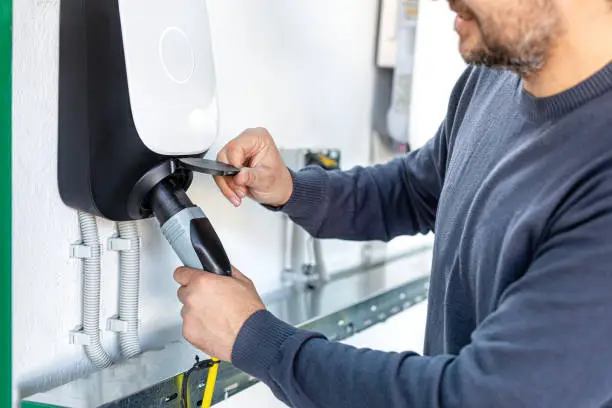
Electric vehicles are rapidly becoming the standard choice for modern transportation. With global EV sales continuing to grow year over year and battery ranges improving, homeowners are increasingly prioritizing EV Charging Installation as part of their residential electrical planning. Having a dedicated charging solution at home eliminates range anxiety, reduces long-term fueling costs, and provides unmatched convenience compared to public charging stations.
A professionally planned EV Charging Installation is not just about plugging in a charger. It involves understanding electrical capacity, safety requirements, charging speeds, and future energy needs. This guide is written from a practical, experience-driven perspective to help homeowners make informed decisions using real-world data, current electrical standards, and best practices recommended by professional electricians.
What Is EV Charging Installation?
EV Charging Installation with Hurley Electric LLC in High Point, NC refers to the process of adding a dedicated electric vehicle charging system to a residential property. This includes evaluating the home’s electrical infrastructure, installing proper wiring and circuit protection, and mounting a compatible EV charging station that meets safety and code requirements.
Unlike standard outlets, EV chargers draw sustained electrical loads. That is why proper installation by qualified electrical contractors is critical. A well-executed EV Charging Installation ensures reliable charging, prevents electrical hazards, and supports long-term system performance.
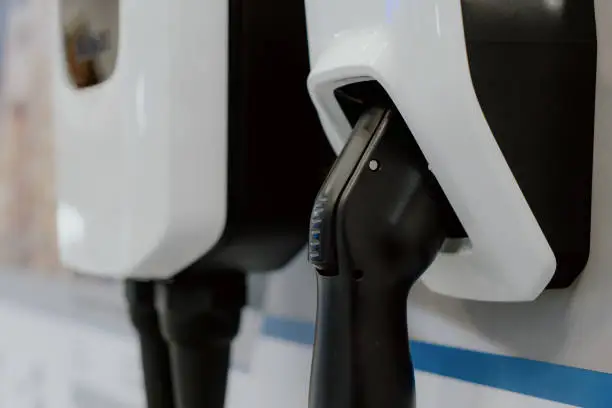
Types of Home EV Charging Options
Level 1 Charging (Standard Outlet)
Level 1 charging uses a 120-volt outlet and typically requires no electrical upgrades. However, it only adds about 3 to 5 miles of driving range per hour, making it impractical for most daily drivers. While it technically avoids formal EV Charging Installation, it is not considered a long-term solution.
Level 2 Charging (Dedicated Home Charger)
Level 2 chargers operate on a 240-volt circuit and are the most common choice for residential EV Charging Installation. These systems can deliver 25 to 40 miles of range per hour, depending on charger output and vehicle capability. Most homeowners choose Level 2 charging for its speed, efficiency, and reliability.
Evaluating Your Home’s Electrical System
Electrical Panel Capacity
One of the most important steps in EV Charging Installation is assessing electrical panel capacity. Many homes built decades ago have 100-amp service panels, while modern EV chargers often require a 40- to 60-amp dedicated circuit.
Licensed electricians perform load calculations to determine whether the existing panel can safely support EV charging. If not, an electrical service upgrade may be required to prevent breaker tripping, overheating, or system failure.
Dedicated Circuits and Wiring
A compliant EV Charging Installation always includes a dedicated circuit. Proper wire sizing, breaker selection, and grounding are essential for safety and performance. Professional electrical wiring services ensure compliance with national electrical codes and manufacturer specifications.
Choosing the Right EV Charger
Hardwired vs Plug-In Chargers
Hardwired chargers are permanently connected and commonly used for higher-amperage installations. Plug-in chargers offer flexibility and are easier to replace or relocate. Both options are suitable for residential EV Charging Installation, depending on electrical capacity and homeowner preference.
Smart Charging Capabilities
Many modern chargers include smart features such as scheduled charging, energy monitoring, and utility rate optimization. These features allow homeowners to reduce energy costs by charging during off-peak hours and improve overall energy efficiency.
EV Charging Installation Process Explained
Site Assessment
A professional electrician evaluates the ideal charger location, distance from the panel, wall structure, and ventilation. Garages are the most common installation sites, but outdoor installations are also possible with weather-rated equipment.
Permits and Code Compliance
Most areas require permits for EV Charging Installation. Electrical inspections verify proper grounding, circuit protection, and safety compliance. This step protects homeowners from liability issues and ensures insurance coverage remains valid.
Installation and Testing
After wiring and breaker installation, the charger is mounted and tested under load. Electricians verify voltage stability, charging speed, and safety features to ensure the system operates correctly.
Safety Considerations for EV Charging Installation
Safety is a core component of any professional EV Charging Installation.
- Dedicated circuit breakers prevent overload
- GFCI and AFCI protection reduce shock and fire risks
- Proper grounding ensures system stability
- Surge protection safeguards charging equipment
Using a certified residential electrician significantly reduces risks and ensures long-term reliability.
Cost of EV Charging Installation
The cost of EV Charging Installation depends on several factors:
- Standard Level 2 installation: $700 to $2,500
- Electrical panel upgrades: $1,500 to $4,000
- Long wiring runs or trenching may add additional costs
Despite the upfront expense, home EV charging is cost-effective. Current energy data shows that charging at home costs 50–70% less per mile than driving a gasoline vehicle.
Energy Efficiency and Long-Term Value
A properly planned EV Charging Installation delivers long-term benefits beyond convenience.
- Lower transportation costs
- Reduced vehicle maintenance expenses
- Increased property value
- Improved energy efficiency
Homes with EV charging infrastructure are increasingly attractive as electric vehicles become mainstream.
Future-Proofing Your EV Charging Installation
EV technology continues to evolve. Installing higher-capacity wiring and scalable charging equipment allows homeowners to upgrade vehicles without costly rewiring later. Forward-thinking EV Charging Installation supports future EV models with larger batteries and faster charging capabilities.
Conclusion
EV Charging Installation is a practical and future-focused investment for homeowners embracing electric mobility. When installed correctly by experienced electrical professionals, it delivers safe, efficient, and reliable charging while supporting long-term energy savings. As EV adoption accelerates, a well-designed home charging solution is no longer optional it is essential.
Frequently Asked Questions (Q&A)
1. How long does EV Charging Installation take?
Most residential EV Charging Installation projects are completed within 3 to 6 hours, excluding panel upgrades or permit delays.
2. Do all homes need a panel upgrade for EV charging?
No. Many homes already have sufficient capacity. A load calculation determines whether an upgrade is necessary.
3. Is EV Charging Installation safe for overnight charging?
Yes. Properly installed chargers are designed for extended use and include built-in safety mechanisms.
4. How much does home EV charging increase electricity bills?
On average, homeowners see a $30–$60 monthly increase, significantly less than fuel costs for gas vehicles.
5. Why should EV Charging Installation be done by a professional electrician?
Professional installation ensures code compliance, correct wiring, safety protection, and long-term reliability critical for both the home and the vehicle.