
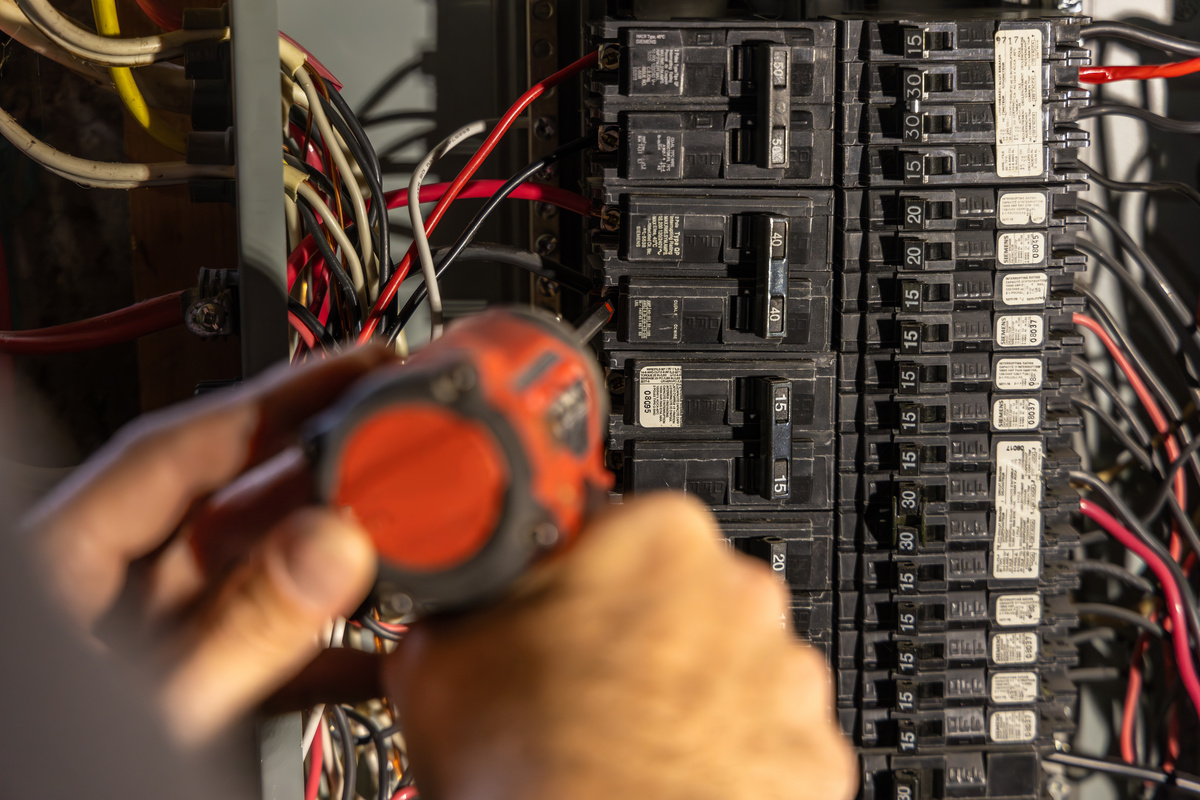
Your electrical panel plays an important role in keeping your home powered safely. It distributes electricity to different circuits and uses circuit breakers to help protect those circuits from overloads and faults. When your household’s electrical needs grow or your panel becomes outdated, the system may struggle to meet your needs.
Many homeowners do not think about their electrical panel until a breaker keeps tripping or the lights begin flickering. Others discover a problem when they plan to install an electric vehicle charger, upgrade their kitchen, or add new appliances.
Recognizing the warning signs early can help you determine when to call a qualified electrician. Not every electrical issue requires a complete panel replacement, but recurring problems should not be ignored.
Here are seven signs your home may need an electrical panel upgrade.
1. Your Circuit Breakers Trip Frequently
Circuit breakers are designed to interrupt electricity when a circuit experiences an overload or certain electrical faults. An occasional trip can happen when too many devices are running on the same circuit. However, repeated trips during normal household use may indicate a problem that needs professional attention.
For example, you might notice a breaker shutting off whenever you run several kitchen appliances at the same time. If this happens regularly, your electrical system may need to be evaluated.
What to Watch For
Look for these warning signs:
- The same breaker trips repeatedly.
- Power shuts off when several appliances are running.
- Breakers trip during ordinary daily activities.
- You regularly lose power to one section of the house.
- Resetting a breaker provides only temporary relief.
These symptoms do not automatically mean your panel needs replacement. A faulty appliance, damaged wiring, an overloaded circuit, or a defective breaker could also be responsible.
When Is a Panel Upgrade Necessary?
An electrician can inspect the panel, identify the cause of the trips, and determine whether the problem involves an individual circuit or the panel’s overall capacity.
If your home uses more electricity than the existing system can safely support, an upgrade may be appropriate. A larger panel or additional capacity may help accommodate your electrical needs, but the correct solution depends on a professional load assessment.
Never keep resetting a breaker without investigating why it trips. If it trips repeatedly, leave it off and arrange an inspection. If you notice smoke, sparks, or a burning smell, stay away from the panel and seek immediate professional assistance.
2. Your Lights Flicker or Dim When Appliances Turn On
Lights that briefly change brightness when a large appliance starts can sometimes occur because of a momentary change in electrical demand. However, frequent or significant flickering and dimming may indicate a loose connection, wiring problem, overloaded circuit, or another electrical issue.
You may notice the lights dim when the air conditioner starts, the microwave runs, or another high-demand appliance switches on.
Common Signs to Notice
Pay attention if:
- Lights frequently flicker without an obvious reason.
- Several lights dim when appliances start.
- Brightness changes occur across different rooms.
- The problem becomes more noticeable as you use more equipment.
- Flickering happens alongside breaker trips or unusual electrical sounds.
Do not assume that every flickering light means the panel is too small. Loose wiring and other electrical faults can create similar symptoms and may present a safety risk.
How an Electrician Can Help
A qualified electrician can inspect the affected circuits, check connections, evaluate the panel, and determine whether the electrical service can handle your household’s demand.
If the existing panel has insufficient capacity for your current or planned electrical use, an upgrade may be part of the solution. If the issue comes from a loose connection or another fault, that problem needs to be addressed directly.
Resolving the actual cause is more important than simply installing a larger panel.
3. Your Home Still Uses an Old Fuse Box
Some older homes still have fuse boxes instead of modern circuit breaker panels. These systems may have been suitable when the home was built, but household electricity use has changed considerably over time.
Modern homes often rely on central heating and cooling, kitchen appliances, computers, home entertainment equipment, and other electrical devices. Older electrical systems may not have the capacity or configuration needed for these demands.
What Should You Look For?
Your home may need an electrical assessment if:
- The electrical system still uses replaceable fuses.
- The panel has very limited space for additional circuits.
- You frequently experience power interruptions.
- The system has not been professionally evaluated for many years.
- You are planning major electrical improvements.
The presence of a fuse box does not tell you everything about the system’s condition. The age, installation, capacity, and overall condition all matter.
Should You Replace an Old Fuse Box?
An electrician can evaluate whether the existing system remains suitable for the property and whether replacement is recommended.
A panel upgrade may provide modern circuit protection, additional circuit space, and greater capacity when the service is designed accordingly. However, the new installation must be properly sized and compatible with the home’s electrical service.
If your home still has an older fuse box, arranging a professional inspection is a sensible first step before adding major appliances or making other electrical changes.
4. Your Panel Shows Visible Damage or Unusual Warning Signs
Visible damage around an electrical panel should never be treated as a cosmetic issue. Rust, scorch marks, melted components, buzzing, or a burning odor may indicate overheating, moisture exposure, loose connections, or other serious electrical problems.
These warning signs require attention even if your lights and appliances still appear to work normally.
Warning Signs That Need Attention
Look for:
- Rust or corrosion on the panel enclosure.
- Dark marks or visible scorching.
- Melted or discolored components.
- Buzzing, crackling, or popping sounds.
- A burning smell near the panel.
- Unusual warmth around the enclosure.
Do not remove the panel cover or touch internal components to investigate. Electrical panels can contain dangerous live parts even when some circuits are switched off.
What Should You Do?
If you notice a burning smell, smoke, sparks, or crackling, keep away from the panel and contact emergency services if there is an immediate fire hazard. Do not attempt to repair the problem yourself.
A qualified electrician should inspect the equipment and determine whether repair or replacement is required. Depending on the condition of the panel and the cause of the damage, a complete upgrade may be necessary.
Visible corrosion or heat damage can also indicate problems beyond the panel itself, so the inspection should consider the relevant wiring and electrical connections.
5. You Are Adding Major Appliances or an EV Charger
Adding new electrical equipment can increase the total demand on your home’s electrical system. Your existing panel may have been suitable for your previous needs but may not have enough capacity or available circuit space for new installations.
This is especially important when planning projects that involve equipment with substantial electrical requirements.
Common Projects That May Require More Capacity
Consider having your panel assessed before installing:
- An electric vehicle charging station.
- A new electric range or oven.
- A larger heating or cooling system.
- A hot tub or other high-demand equipment.
- Additional circuits for a home addition.
- Workshop equipment or other major electrical loads.
Not every new appliance requires a panel upgrade. The answer depends on the equipment’s electrical requirements, the existing service capacity, and the loads already connected to the system.
Plan Before Installing New Equipment
Before purchasing equipment, ask an electrician to assess your panel and calculate whether it can safely support the additional demand.
The assessment may show that your current system has enough capacity. In other cases, a new circuit, load-management solution, service upgrade, or panel replacement may be necessary.
Planning ahead is especially helpful if you expect to add more equipment over the next few years. It can help you choose a solution that meets both your current needs and realistic future plans.
Hurley Electric LLC provides electrical panel upgrade services in Mebane, NC, and surrounding areas. A professional evaluation can help determine whether your existing panel is suitable for planned installations.
6. Your Electrical Panel Has Limited Space for New Circuits
Electrical panels contain a limited number of spaces for circuit breakers. As homeowners add appliances, renovate rooms, or install new electrical equipment, they may eventually run out of suitable spaces.
This can become a problem even when the panel’s total electrical capacity is sufficient.
Signs You May Need More Circuit Space
You may need an electrical assessment if:
- There are no suitable open breaker spaces.
- You are planning a renovation that requires additional circuits.
- New appliances need dedicated circuits.
- Previous electrical additions have made the panel difficult to organize.
- Your contractor recommends additional circuit capacity.
Available breaker spaces and total electrical capacity are not the same thing. A panel can have unused spaces but still lack sufficient capacity for additional loads. Likewise, a panel may have adequate capacity but lack the correct spaces for planned circuits.
What Are Your Options?
An electrician can review the panel’s design, electrical load, and available circuit spaces. Depending on the situation, the solution could involve a different panel configuration, a subpanel, or a full panel upgrade.
A subpanel can provide additional circuit spaces in suitable situations, but it does not automatically increase the total electrical service capacity. That distinction matters when the home is already close to its electrical limits.
The right choice depends on your current system, the number of circuits needed, and your future electrical plans.
7. Your Electrical System Is Outdated or Has Not Been Evaluated in Years
An older electrical panel does not automatically need replacement simply because of its age. However, an aging system deserves attention, especially if it has not been inspected or updated as household demands have changed.
Electrical standards, equipment, and typical household loads have evolved over time. A panel that has worked for decades may still have outdated components, limited capacity, or other issues that need to be addressed.
What Should You Consider?
An inspection may be worthwhile if:
- Your home has an older electrical panel.
- You do not know when the panel was last evaluated.
- You are buying or renovating an older property.
- Your electrical needs have increased significantly.
- An electrician has identified outdated or damaged components.
The condition of the panel matters more than age alone. Some older panels may remain suitable, while others may need replacement because of damage, capacity limitations, or specific equipment concerns.
Make an Informed Decision
A professional assessment can help establish whether your panel needs maintenance, repairs, or replacement. The electrician can also review grounding, bonding, breaker compatibility, and other relevant parts of the installation.
If replacement is recommended, ask what condition or limitation makes it necessary. Understanding the reason helps you compare options and avoid paying for work that does not address your actual needs.
What Happens During an Electrical Panel Upgrade?
If an electrician determines that your panel needs replacement or increased capacity, understanding the process can help you prepare.
Although the exact steps depend on the project, a typical upgrade involves several stages.
1. Electrical Assessment
The electrician evaluates the existing panel, wiring, electrical service, and household loads. They also discuss planned additions, such as EV charging or new appliances.
2. Panel Selection and Planning
The replacement panel and service capacity are selected according to the property’s electrical requirements. The electrician also determines whether wiring changes or other upgrades are necessary.
3. Permits and Utility Coordination
Panel work commonly requires a permit and inspection. If the project involves changing the electrical service, coordination with the utility company may also be needed.
The specific requirements depend on the local authority and the work being performed.
4. Installation
Power is disconnected as required, and the old equipment is removed. The electrician installs the new panel, connects the circuits, and completes the required grounding and bonding work.
5. Testing and Inspection
The completed installation is checked to confirm that the circuits and equipment are operating correctly. Required inspections must be completed according to local rules.
A straightforward residential panel replacement may take a day, but the timeline can be longer if the service entrance, wiring, or other components also need work.
How Much Does an Electrical Panel Upgrade Cost?
The cost depends on the size and type of panel, the condition of the existing installation, and the amount of additional work required.
A straightforward panel replacement may cost less than a project that also involves increasing service capacity, replacing damaged wiring, or modifying the meter and service entrance equipment.
Common cost factors include:
- The required panel capacity and configuration.
- The condition of existing wiring.
- Whether the electrical service needs an upgrade.
- Permit and inspection requirements.
- Utility coordination.
- Accessibility of the existing panel.
- Additional circuits or related electrical work.
Because these factors vary from property to property, an on-site assessment is the best way to receive an accurate estimate.
Before approving the project, request a written estimate that explains the proposed work, materials, permit responsibilities, and any exclusions. Ask whether testing and required inspections are included.
Frequently Asked Questions About Electrical Panel Upgrades
1. How do I know if my electrical panel needs an upgrade?
Common warning signs include frequent breaker trips, flickering lights, visible panel damage, limited circuit space, and insufficient capacity for new equipment. A qualified electrician can determine whether you need a repair, a panel replacement, or a service upgrade.
2. Does every older home need a new electrical panel?
No. Age alone does not determine whether a panel needs replacement. Its condition, capacity, safety, and compatibility with the home’s electrical needs should all be considered.
3. Will a panel upgrade stop breakers from tripping?
It may help if the problem is caused by insufficient panel capacity, but not every breaker trip has the same cause. Faulty appliances, damaged wiring, defective breakers, and overloaded individual circuits can also cause trips. The problem should be diagnosed before choosing a solution.
4. Can I upgrade my electrical panel myself?
Electrical panel work involves hazardous electrical connections and may require permits and inspections. It should be performed by a qualified electrician who understands the applicable electrical codes and safety requirements.
5. How long does a panel upgrade take?
A straightforward residential upgrade may be completed in one day. Projects involving service changes, additional wiring, utility coordination, or other repairs can take longer. Your electrician can provide a more accurate schedule after evaluating the property.
Keep Your Electrical System Ready for Your Needs
Your electrical panel should be able to support your household’s power demands while providing appropriate circuit protection. Repeated breaker trips, flickering lights, visible damage, limited circuit space, and plans for major new equipment are all reasons to arrange a professional assessment.
Do not assume that every symptom requires a complete replacement. The right solution may involve a repair, an additional circuit, a subpanel, or an upgrade to the panel or electrical service. Identifying the actual cause is the best way to make an informed decision.
Hurley Electric LLC provides residential and commercial electrical services in Mebane, NC, and surrounding areas. If your panel is outdated, showing warning signs, or struggling to support your electrical needs, visit Hurley Electric LLC to learn more about its services and request a free estimate.